
Chemical peels are a popular dermatological treatment that can address a wide range of skin concerns, from acne scars to hyperpigmentation. This guide covers everything you need to know about chemical peels, including the different types, benefits, and what to expect during and after the procedure.
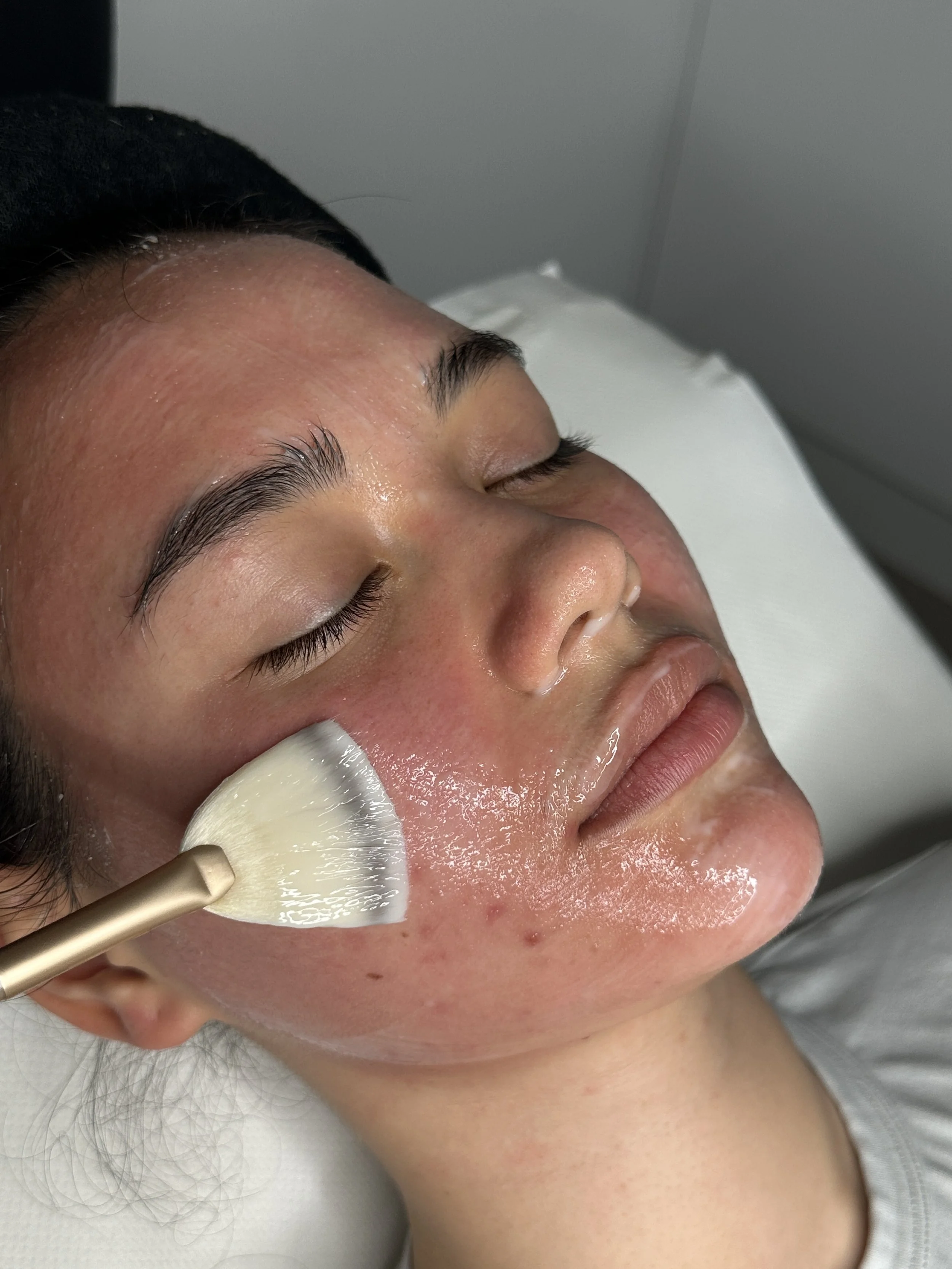
The Ultimate Guide To Chemical Peels
A chemical peel is a cosmetic treatment in which a solution containing active ingredients such as alpha hydroxy acids (AHAs), beta hydroxy acids (BHAs), or trichloroacetic acid (TCA) is applied to the skin. These ingredients exfoliate the outer layer of the skin, encouraging new, healthy skin cells to develop.
The treatment is commonly performed on the face, neck, and hands, helping to rejuvenate the skin and improve various skin concerns.
Types of Chemical Peels
1. Superficial (Light) Peel
Light chemical peels use mild acids such as glycolic acid or lactic acid to gently exfoliate the outermost layer of the skin. These peels are ideal for improving mild skin concerns like dryness, dullness, and uneven skin tone. Recovery time is minimal, making them suitable for regular maintenance treatments.
2. Medium Peel
Medium-depth peels often contain trichloroacetic acid (TCA) and penetrate deeper into the skin. They are commonly used to treat pigmentation, acne scars, and moderate wrinkles. Some peeling and redness may occur for several days after treatment.
3. Deep Peel
Deep chemical peels target the deeper layers of the skin and are used for more advanced skin concerns such as deep wrinkles, severe sun damage, or significant pigmentation. These treatments require longer recovery time and should always be performed by experienced professionals.
Benefits of Chemical Peels
Chemical peels offer several skin benefits, including:
Improving skin texture and smoothness
Reducing acne and acne scars
Minimising fine lines and wrinkles
Brightening dull or uneven skin tone
Reducing hyperpigmentation and sun damage
Stimulating collagen production
Who Can Benefit from Chemical Peels?
Chemical peels can be beneficial for individuals experiencing:
Acne or acne-prone skin
Hyperpigmentation or dark spots
Uneven skin tone
Fine lines and early signs of ageing
Dull or rough skin texture
However, a professional skin consultation is recommended before treatment to determine the most suitable peel for your skin type.
Aftercare and Recovery
Proper aftercare is essential for achieving the best results from a chemical peel. After treatment, the skin may appear slightly red or sensitive for a few days. To support healing and protect the skin:
Apply a gentle moisturiser regularly
Use broad-spectrum SPF daily
Avoid direct sun exposure
Do not pick or peel the skin
Follow the skincare advice provided by your skincare professional
0 comments
No comments yet. Be the first to leave one.